About Us
Breaking Waves | Rehabilitation and Prevention of Post-Traumatic Stress
How do you bring a person back to life when their clock has stopped?
How do you return movement, flexibility, a smile and a sense of vitality?
Breaking Waves is an Israeli nonprofit that helps people cope with exposure to the events of Saturday, October 7, 2023 and the war that followed, and works to prevent those experiences from developing into post-traumatic stress.
A note for readers outside Israel
On the morning of Saturday, October 7, 2023, a coordinated attack was launched from the Gaza Strip on Israeli communities, army posts and an outdoor music festival in the south of the country. Around 1,200 people were killed and 251 were taken hostage into Gaza. The war that followed is known in Israel as the Swords of Iron war, and it brought several hundred thousand Israelis into military service, most of them reservists called away from civilian jobs and families.
Post-traumatic stress disorder, usually shortened to PTSD, is a recognised psychiatric condition that can develop after exposure to life-threatening violence. It involves intrusive memories of the event, disturbed sleep, constant alertness to danger, avoidance of anything connected to what happened, and difficulty functioning at work and in close relationships. Without treatment it can become chronic and last for decades. Treatment given early, close to the exposure itself, significantly improves the chances of recovery. That is the window in which Breaking Waves works.
Our work is based on biophilia, a therapeutic approach that uses sustained contact with the natural world as the setting for recovery. We chose the sea as that setting, and a sailing boat as the space within it: a house on the water.
Water has been part of physical and psychological rehabilitation for a long time, and the sea in particular is used today by clinicians as one instrument among many. Recent research points in the same direction: people who live close to the coast report lower levels of stress and anxiety and a greater sense of calm.
We work with people whose lives came to a halt abruptly, in the middle of things, because of what they were exposed to during military service. Structured activity at sea allows us to restart basic capacities that trauma dulls or shuts down: trust in other people, a grip on daily life, hope, and the ability to set a goal and reach it.
Our aim is to make the boat a place that takes people in and connects them to one another, and through it to return those living with trauma, and others affected by the war and by operational service, to ordinary life.
Our aim is to make the boat a place that takes people in and connects them to one another, and through it to return those living with trauma, and others affected by the war and by operational service, to ordinary life.
Us and You
In Israel they are called ‘the transparent ones’, and sometimes ‘ticking bombs’. There are tens of thousands of them and they could be anyone: a close friend, an acquaintance, a neighbour, someone in the family. Looking at them tells you nothing about what is happening inside. The events of October 7 and the war that followed brought close to 50,000 soldiers, in regular and reserve service, into the population of people carrying a psychological injury.
Most of them are not severe combat-stress cases. Their lives stopped only partly, in a single moment during their service. Extreme situations have no equivalent in civilian life, and they place a person in front of demands that nothing has prepared them for.
Breaking Waves exists to reach the hundreds among those tens of thousands who are currently undiagnosed and unidentified: the people who are ashamed to ask for help and fall between the cracks. Since October 7 we have established and staffed 41 resilience farms, residential centres where officers and soldiers returning from Gaza and the other fronts could recover. The main lesson we drew from that work led us to found Breaking Waves for the transparent ones and for others whose difficulties the Ministry of Defense does not recognise, including men and women discharged by the army on psychological grounds.
Current clinical thinking on military trauma holds that these hidden casualties must be identified and supported as early as possible, and preferably close to the exposure itself. Breaking Waves works according to this approach. We aim to return people to ordinary frameworks, with a mentor alongside them throughout the first year and continued follow-up for a second.
Meeting death is difficult, and witnessing killing is harder still. After a person has seen slaughter, they are not the same person.
That is one layer. There is also the fear that freezes a soldier at the moment of contact with the battlefield. No one knows in advance how they will function under fire, and afterwards the questions follow: “Why did I survive? Why did I not act differently? How did I fail to function?”
There is no logic to these feelings, but conscience does not work by that logic. Sometimes all that is needed is to remind a person that their reading of what happened was mistaken, and that it should not go on weighing down the body that carries it. But there is often no one to say this to. Every trauma survivor knows the sensation: no outside voice to speak with, because no one could understand, and so there seems to be no point in speaking at all. One long closed loop.
After the fear and the guilt comes shame. Shame that it happened to you, that you are the one who cannot function, that you take things to heart, that you are not man enough to carry what you saw. Together these push the experience underground, and suppression deepens both the guilt and the paralysis. That is a trap in itself.
A short fuse. Difficulty concentrating and getting through an ordinary day. Trouble falling asleep and broken sleep. Every interaction, at work and with friends, becomes more complicated than it used to be. In other people it appears as outbursts of anger, reactions out of all proportion, occasionally physical violence, harm to those closest to them or to themselves, withdrawal in one case and a loss of limits in another. The loss of innocence has no end point, and it follows from contact with human cruelty at its most extreme, in events no one chose to take part in.
October 7 and the war in Gaza produced a situation that differs from every previous war Israel has fought, in the number of people affected, in the severity of what they carry, and in the range of ways it shows itself. The main reasons are the force of the surprise attack and its consequences, together with prolonged urban combat conducted alongside exposure to extremely difficult sights.
This is why we chose open water, without boundaries or noise, and a boat that serves as a house on the sea: a place that receives people, holds them, and above all helps them return to ordinary life alongside the trauma.
The activity works with everyone exposed to trauma, in a group setting at sea, with the aim of preventing chronic post-traumatic illness from developing. The approach places the treatment inside group work: teamwork and mutual responsibility, graded levels of therapeutic support, processing groups, and clear goals for the return to daily life.
Sailing in open water allows for deep and uninterrupted breathing, away from background noise. At the same time it is demanding. It requires depending on the other people on board and responding to what they need, and that is central to rebuilding a trauma survivor’s trust in other people.
Above all, in the meeting between the sea, the participant and the instructor, it becomes possible to restore a sense of proportion. Nothing does this like the sea: open, clean and without a visible end. Loss of proportion is one of the least visible and most difficult features of trauma, and many people living with it recognise the description even when they were not fully aware of it.
The Sea as a Rehabilitative Tool
Breaking Waves works from a considered belief in the sea’s capacity to heal. Through sailing, handling sailboats and time spent in a maritime environment, we offer people living with physical and emotional trauma a process of recovery that involves the body, the mind and the surroundings at once.
How it works
- Regulating the nervous system and reducing stress
Time at sea activates the parasympathetic nervous system, which governs rest and recovery. Studies show a fall in cortisol, the principal stress hormone, alongside increased release of dopamine, serotonin and oxytocin, which are associated with wellbeing, safety and human connection.
- Blue space: recovery through sensory experience
The marine environment acts as a stable sensory anchor. The sound of the waves, the touch of the wind, the movement of the boat: each of these regulates the senses and supports a feeling of safe presence in the body and in space. This kind of exposure produces measurable reductions in anxiety and depression (White et al., 2010).
- Movement and physical recovery
Physical work at sea, from handling sails to steering and swimming, releases endorphins, restores a person’s connection to their own body and reduces post-traumatic symptoms. A body that had been a source of suffering becomes a source of strength and renewed control (Van der Kolk, 2014).
- Capability and self-confidence
Learning seamanship strengthens a sense of control in complex situations. Bringing a boat in, or working a manoeuvre against the wind, creates experiences of competence that replace earlier experiences of helplessness. This is a key element in any rehabilitation process (Bandura, 1997).
- A safe community: recovery through connection
The sea calls for teamwork, partnership and mutual dependence. A natural therapeutic group forms in that space, in which participants learn to trust, to communicate and to support one another, and sometimes, for the first time since the injury, to experience closeness without judgement.
Breaking Waves is not only a maritime activity. It is a setting for deep, holistic and informal rehabilitation, with research behind it. We invite you to take part in a process that changes lives, for the people who carried the weight of these events and who deserve a fresh start.
Association Members
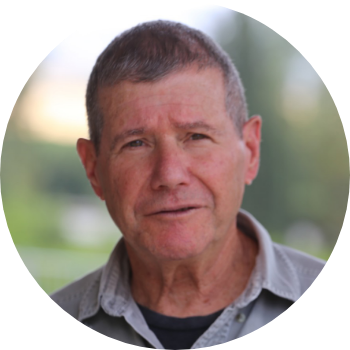
Maj. Gen. (res.)
Eyal Ben-Reuven
Eyal chairs the public advisory council. He wrote the audit report on the Ministry of Defense Rehabilitation Division, known as the Ben-Reuven Report, which is the basis for the national For One Soul programme. He is a former Member of Knesset and served on the Foreign Affairs and Defense Committee. He chairs the Safety Fund for Industry and Construction.
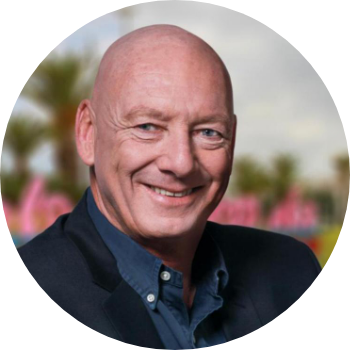
Brig. Gen. (res.) Roni Belkin
Commander of reconnaissance units and of brigades, and a senior planning and operations officer in the reserves. Today he holds a senior management position at a technology company working in agriculture.
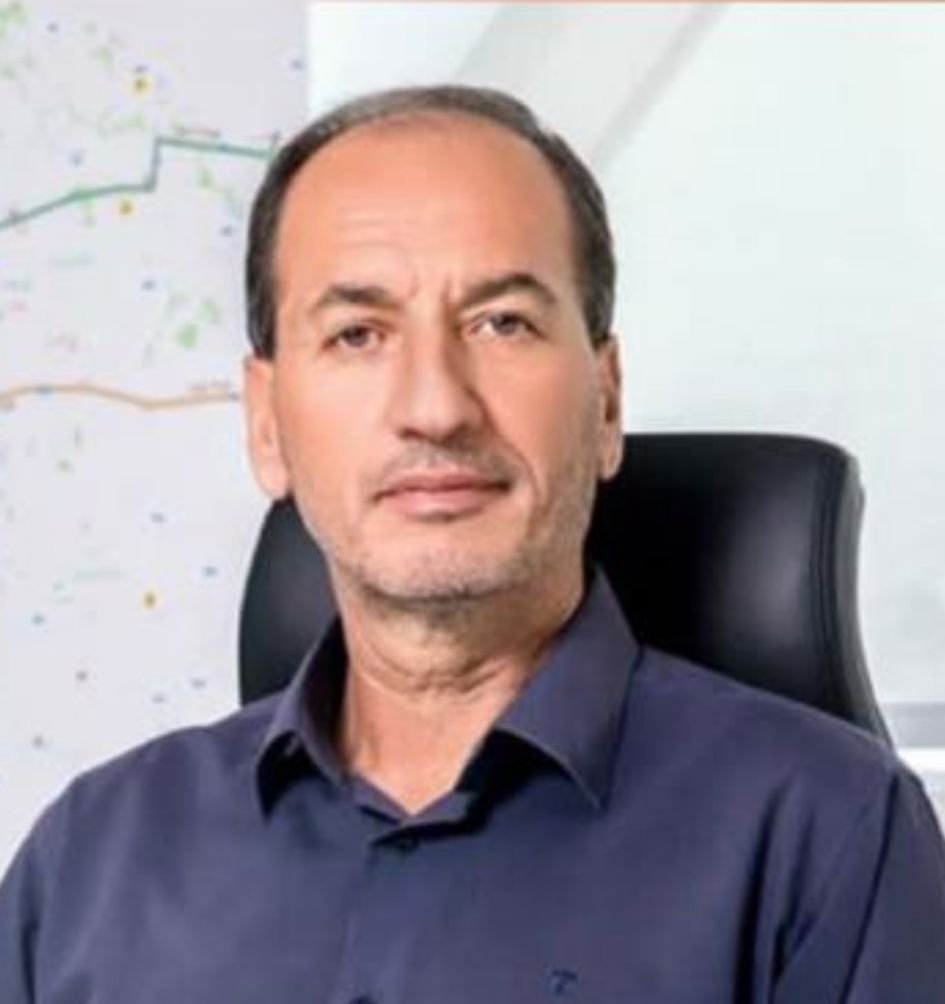
Brig. Gen. (res.) Meir Chen
Vice President of Strategy at Electreon. Previously chairman of Netivei Ayalon and CEO of the National Public Transport Authority. In his military service he was Chief Military Police Officer and commander of the Military Police Criminal Investigation Division.
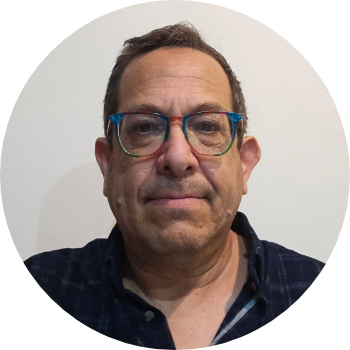
Prof. (Col. res.)
Eyal Fruchter
Head of the National Council for Post-Trauma, director of the Ma’ale HaCarmel psychiatric hospital, and former head of the IDF Mental Health Department.
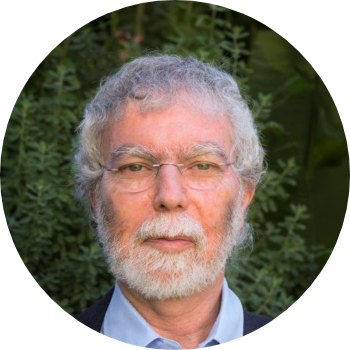
Dr. (Col. res.)
Zohar Rubinstein
Clinical psychologist and organisational consultant. Acting head of the master’s programme in organisational behaviour and development at the School of Psychology and the Business School at Reichman University.
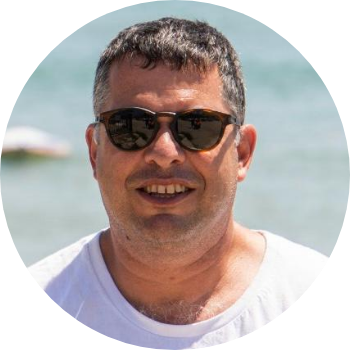
Col. (res.) Moshe Zinger
Chair of the national Israel Sea Scouts organisation and an Air Force pilot. Moshe has many years of experience at sea and knows it intimately.
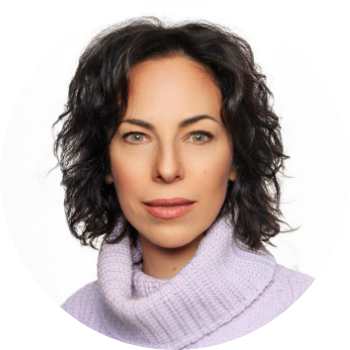
Ms. Oksana Lupirova
Human resources manager at a holdings company and a trauma therapist. Oksana is currently the only woman on our board, and we intend to change that.
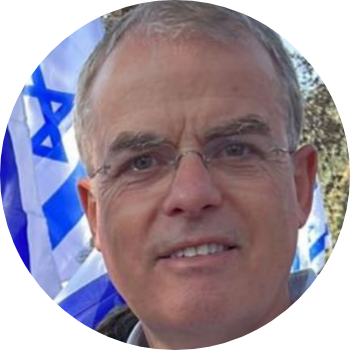
Mr. Andy Kay
President of OurCrowd. He previously served as a lead officer in Shayetet 13, the Israeli Navy’s special operations unit, with a distinguished combat career. A senior banker who worked for many years in the United States, China, the United Kingdom and Israel.
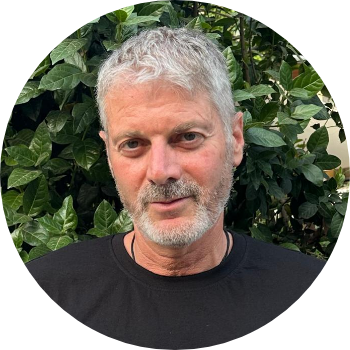
Mr. Lev Eran (Rani)
Specialises in private investment and in cross-border mergers and acquisitions. He is co-founder and general counsel of UBQ. He is also a Boeing 787 captain at El Al.
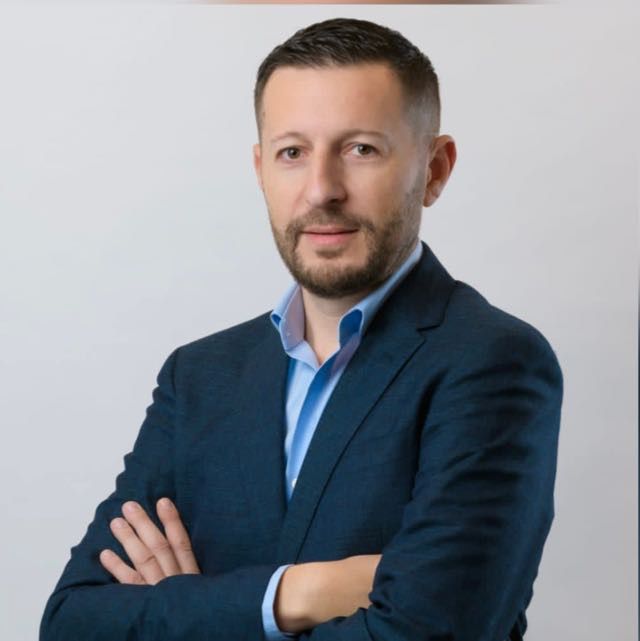
Mr. Edward (Eddie) Dave
A Tel Aviv resident, married with three children. A senior figure in the Israeli capital markets, having held key positions at leading investment houses including Psagot and Meitav Dash. He manages an Israeli multi-family office serving high-net-worth families around the world. Eddie volunteered to lead fundraising for Breaking Waves and for other organisations working with people carrying psychological injuries.
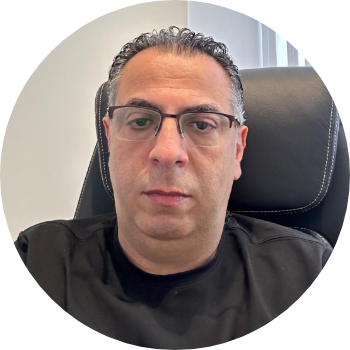
Mr. Uzi David
The association’s accountant, with extensive experience in the field.
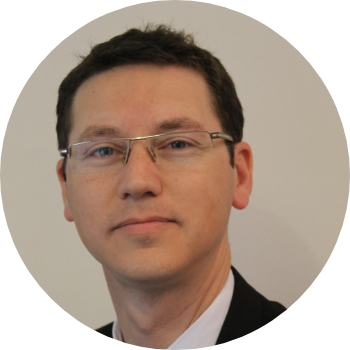
Mr. Ran Sagi
An attorney specialising in nonprofit law.
Executive Director
Sharon Grinker
Owner of a private company. He previously served as IDF Spokesperson to the foreign press and as a senior officer in foreign intelligence.
When the Swords of Iron war broke out, he volunteered and initiated the establishment of 41 resilience farms for the IDF Disabled Veterans Organisation and the Ministry of Defense.
For the past decade he has worked as an active volunteer with combat-stress casualties.