OUR ACTIVITIES

Back on Course

When we speak about rehabilitating people with psychological injuries, and about preventing such injuries from taking hold, what we are really working towards is returning them, as far as possible, to the course of civilian life. What does that mean in practice? It means their level of day-to-day functioning, and we mean functioning in every sense: getting up in the morning and wanting to begin the day; interpersonal, occupational and professional skills; and the most basic actions of ordinary life. A return to the routine they had before the injury, or at least as close to it as can be reached.

We do this by giving each participant the tools that are right and suitable for them, so that they can return to the rhythm of their lives in light of the circumstances that broke it. This is an essential point in our work: there is no single, uniform way for all people to cope with psychological distress.

Psychological injury caused by military events has a character of its own. Because it results from an absence of choice (military service is compulsory), it tears a person away from ordinary life and places them in extreme situations, unusual even measured against an entire average lifetime. Combat does not make appointments in advance, and nothing can prepare you for meeting it directly and at close range.

Alongside this, given the “macho” character of combat service and the relatively young age of those affected, there are particular elements that weigh heavily on an injured person’s life, seep into them, and lead them to withdraw further and to keep their feelings and difficulties to themselves: guilt, shame and others. These reactions are not justified, of course, and have no real logic to them, but they exist and cannot be hidden away. They turn a person into a ticking bomb. Withdrawal, and feelings such as shame and guilt, only deepen the complexity of the injury and its consequences.

We hold no illusions and we will not offer false promises to the people who take part in our activities. We will not erase the memories, the images or the pain; that cannot be done. But the goal we are working towards is not only achievable, it is also vital for them, and it is our moral and rightful duty to pursue it: to allow each of them to learn to live alongside the events, rather than beneath their weight.


What Does It Look Like?

Duration of the Breaking Waves Programme

The Breaking Waves programme runs for one year with each group.

Professional Activity on the Boat

Time on the therapeutic sailing boat is built around a fixed weekly session lasting four hours.

Professional and Group Processing

Around four hours each month of professional and group processing, review of personal goals and feedback.

Closing Retreat in the Mediterranean

Towards the end of every year of activity, the group sets out on a seven-day sailing retreat in the Mediterranean.

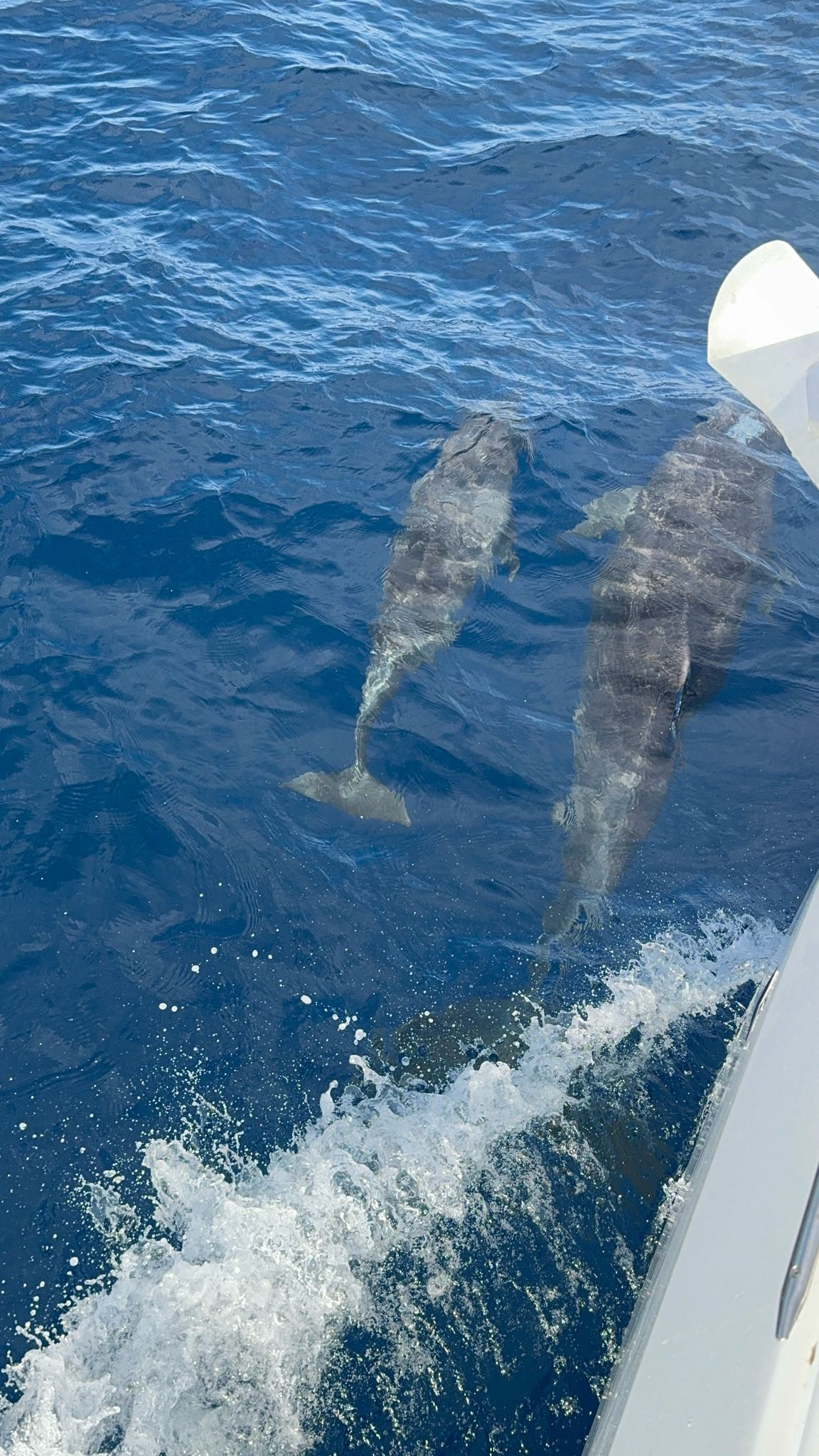
The programme also includes a range of further maritime activities that complete the work the group does together.

The Skipper Teams

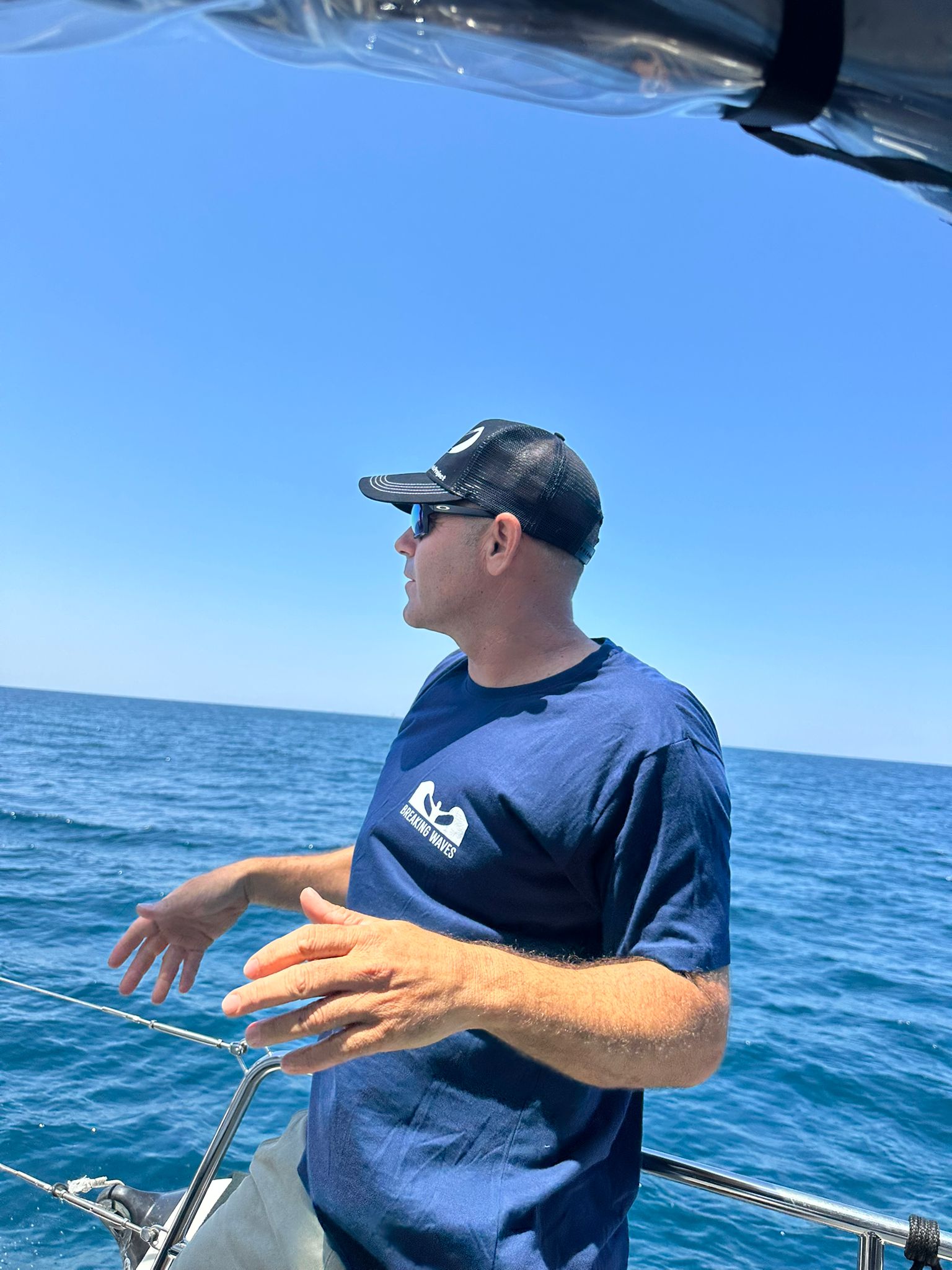
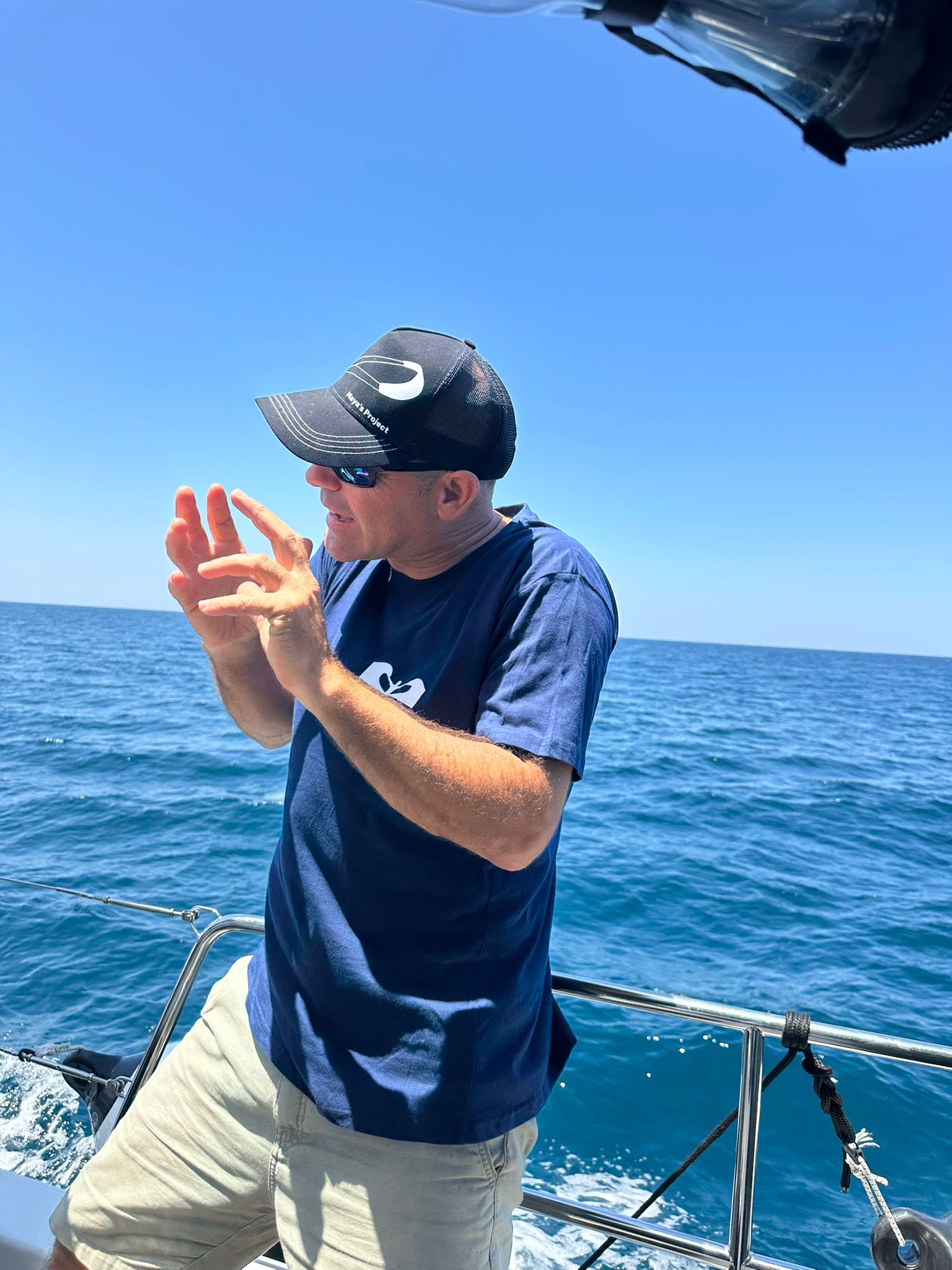
The activity is led by teams of skippers who act as mentors for life to the members of the group. They guide and train the group and pass on sailing and seamanship skills, drawing the connection to everyday life as they go, and they offer support, encouragement and the sense of being held by a group. Alongside them, the programme is accompanied by therapists and by comparative research aimed at identifying the most effective approach to treatment and, above all, to prevention, and at confirming that participants are genuinely improving both in how they cope personally and in how they take part in the group.

What Happens on Board

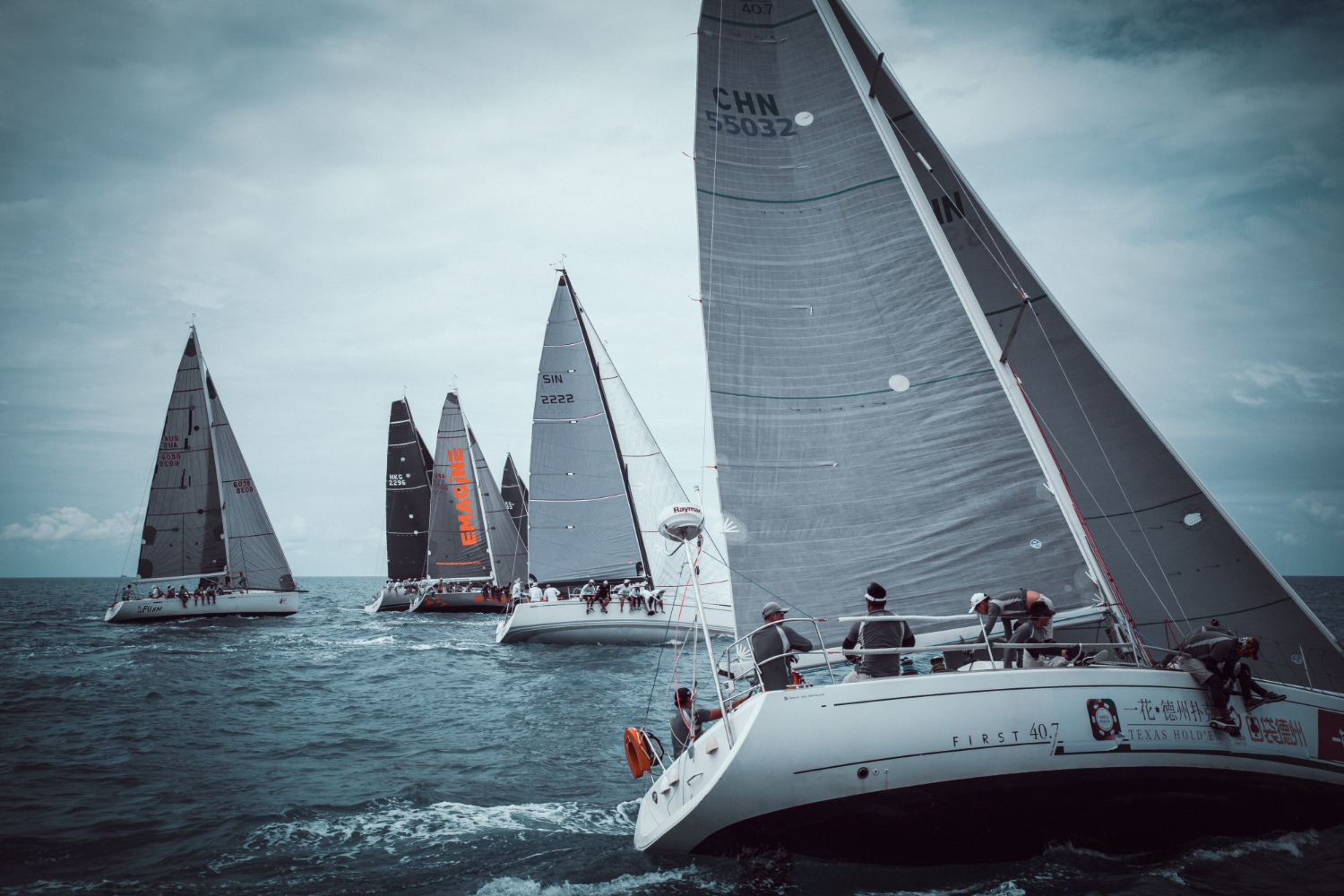
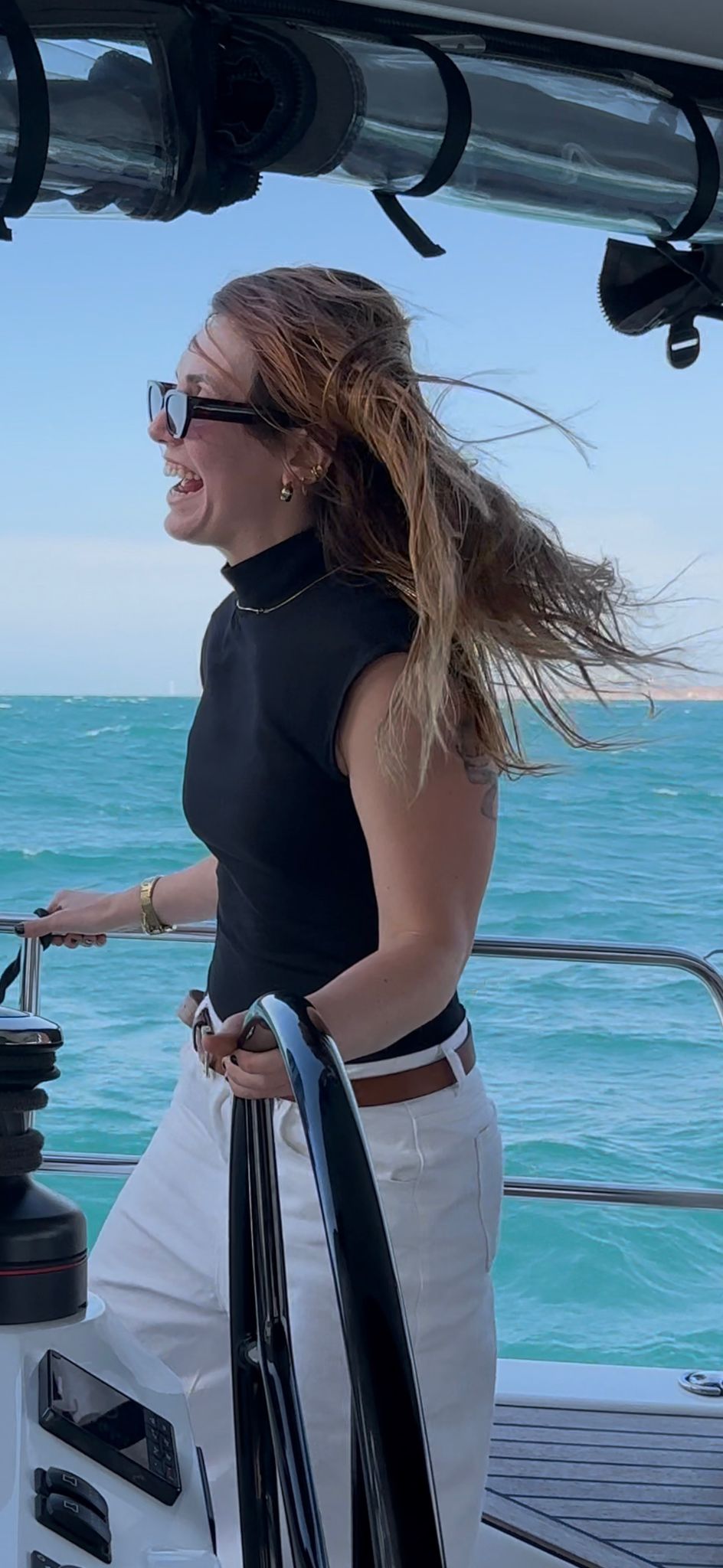
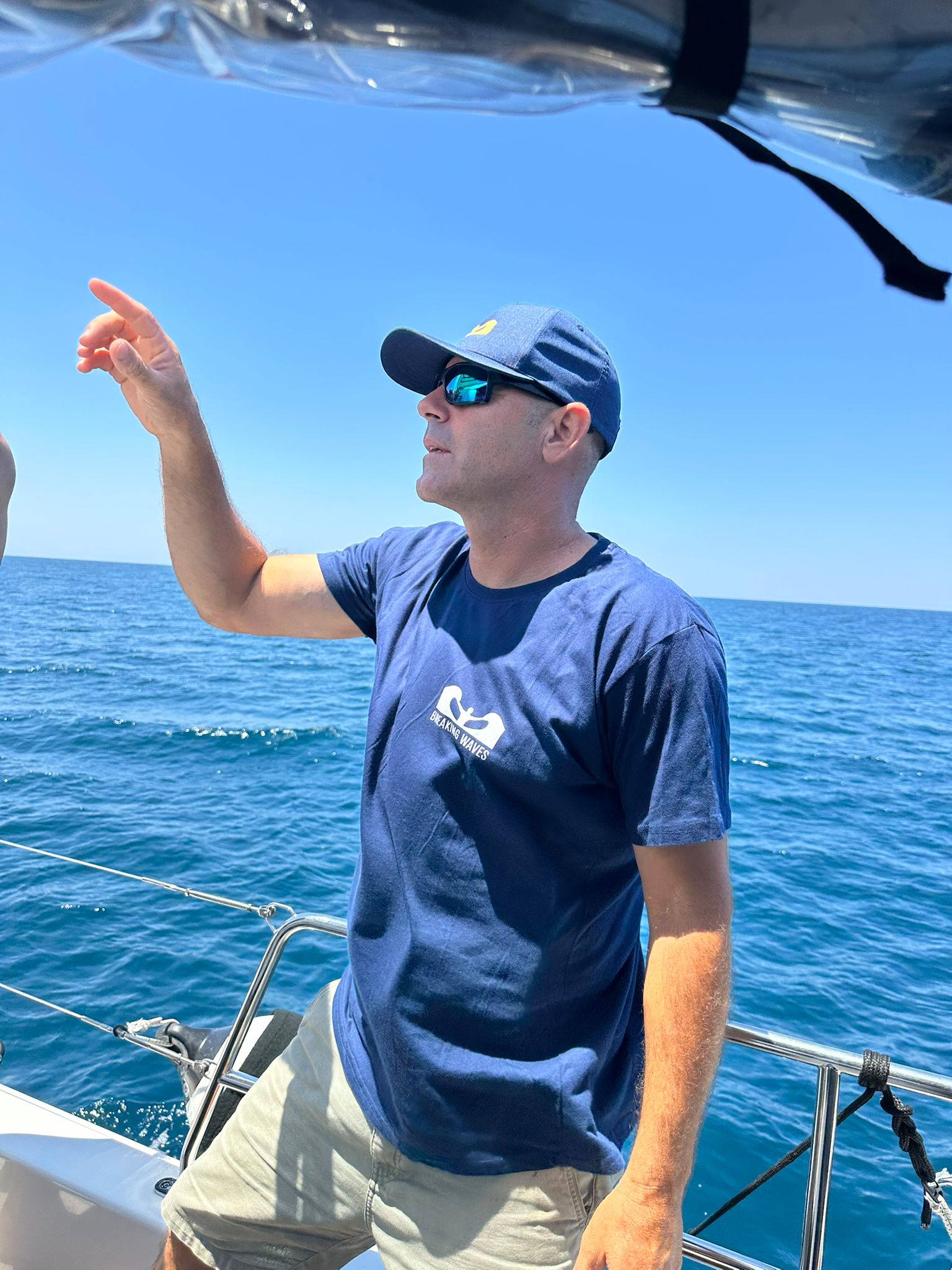
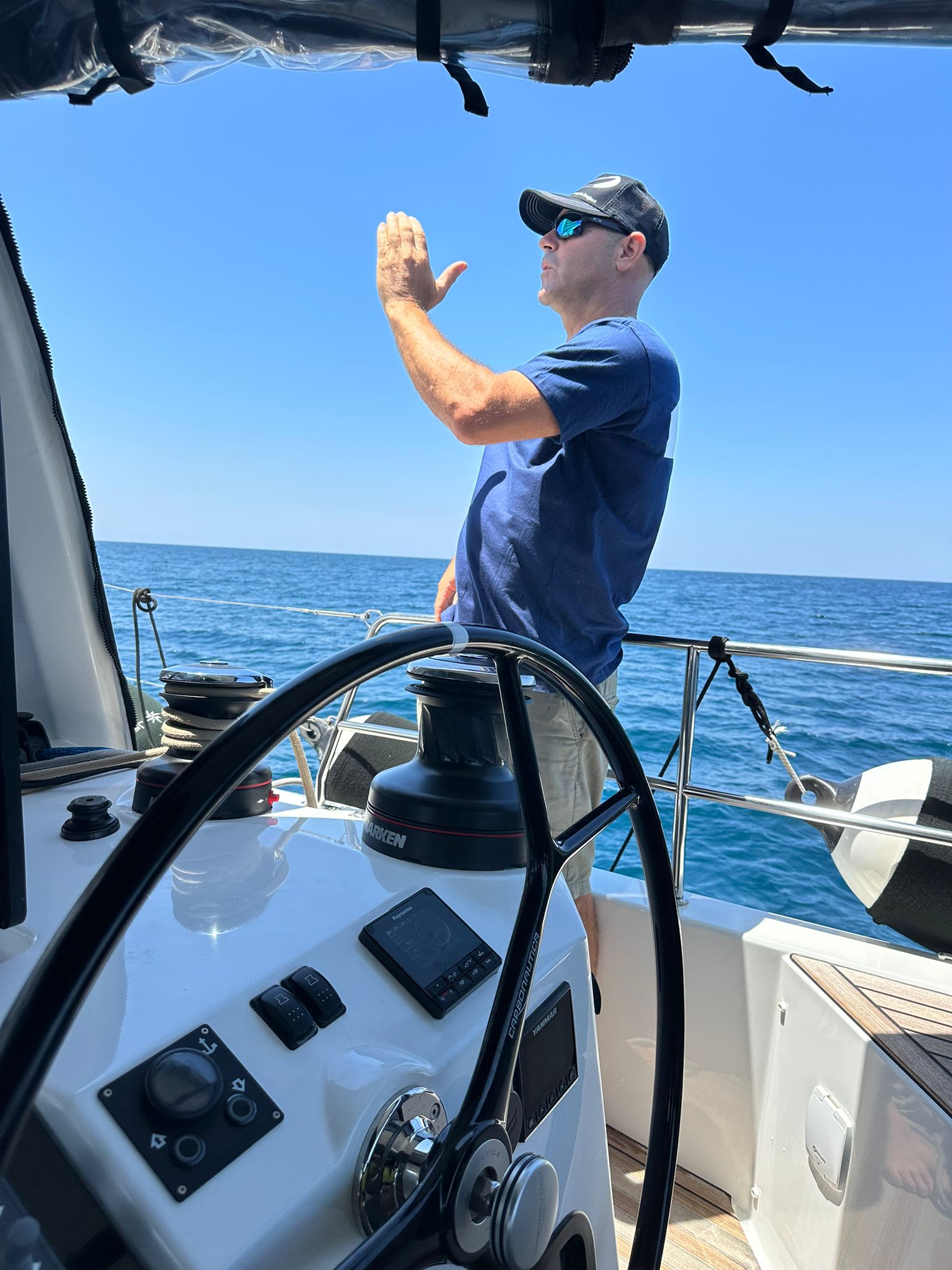
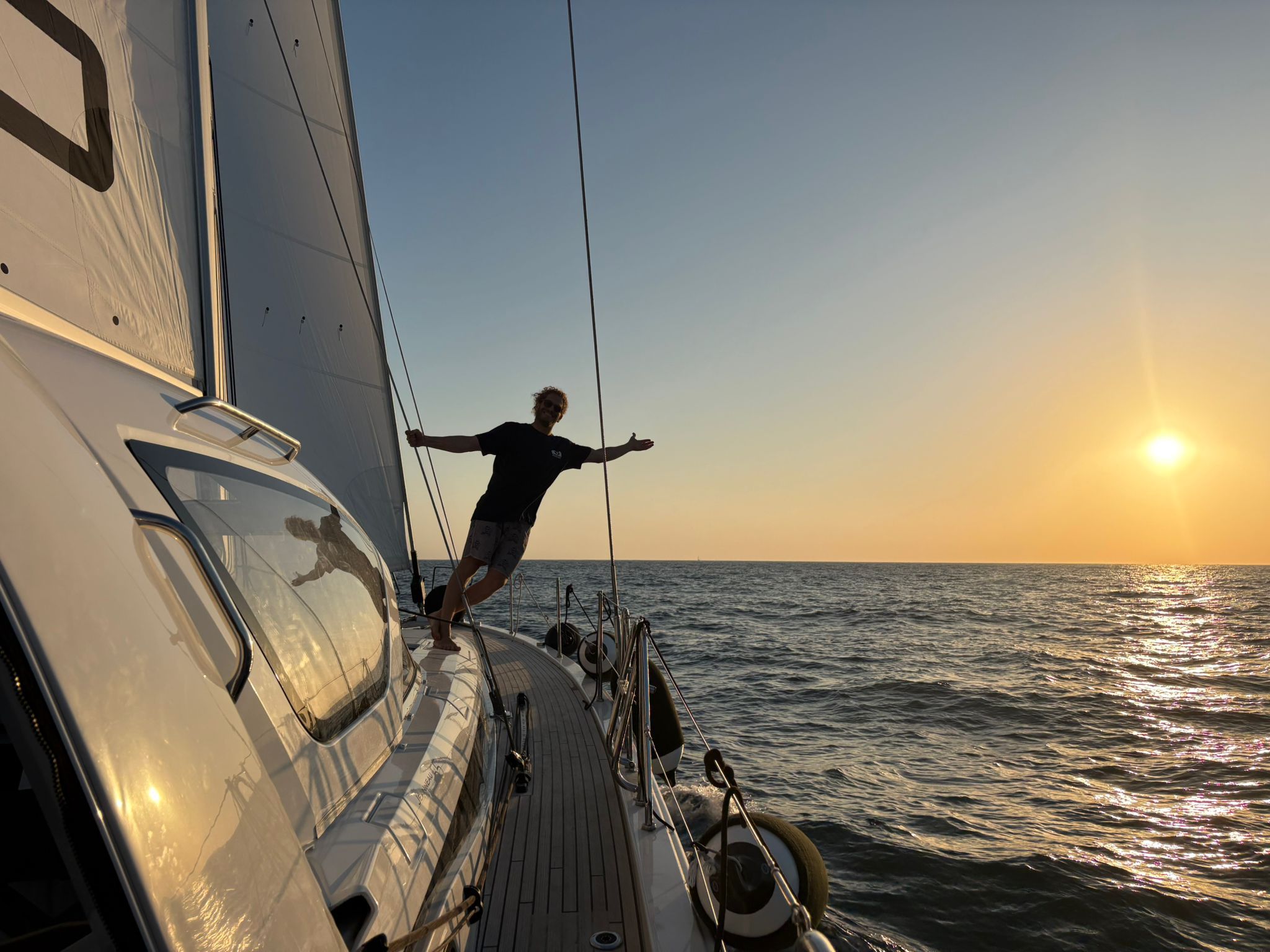
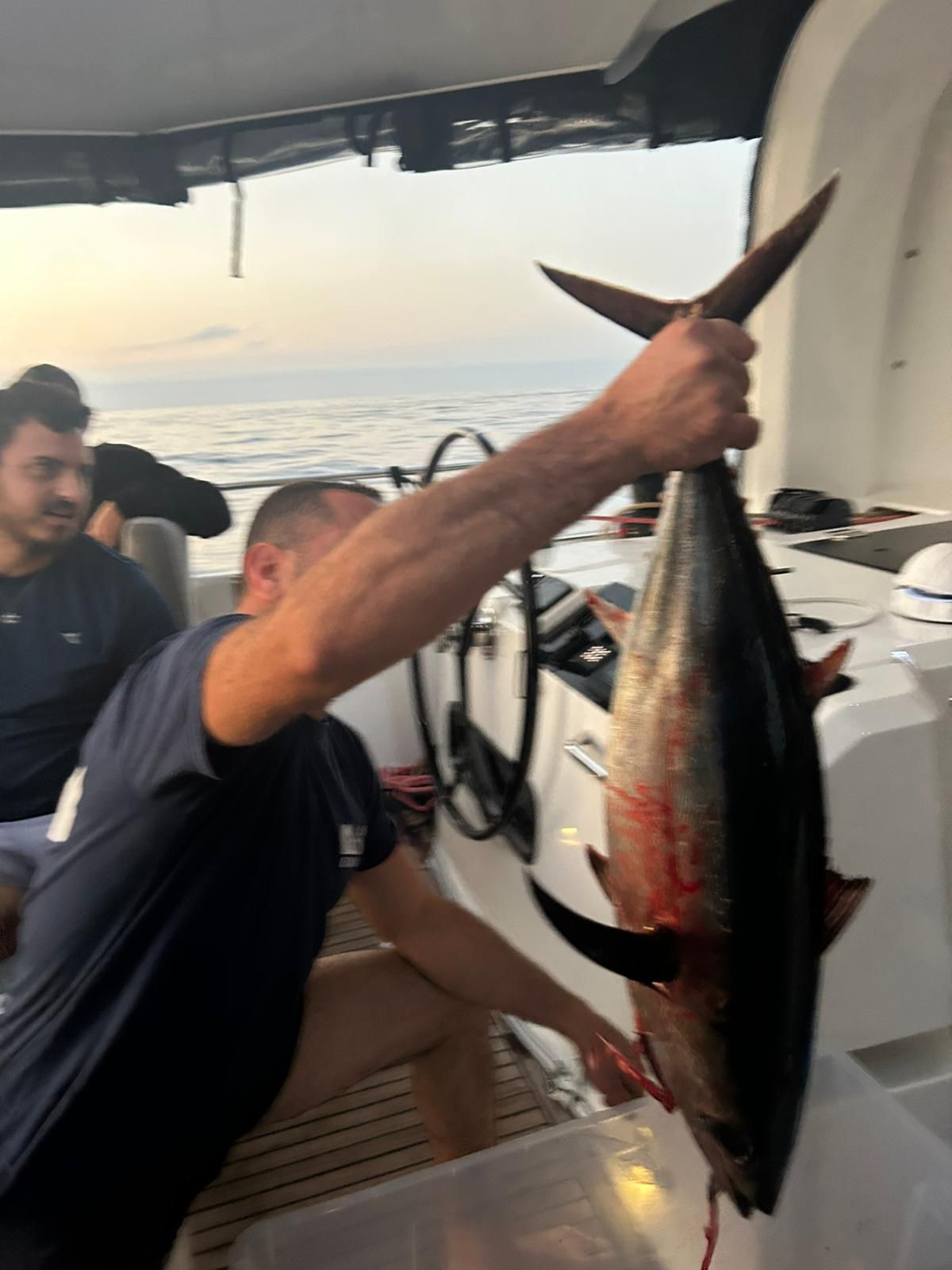
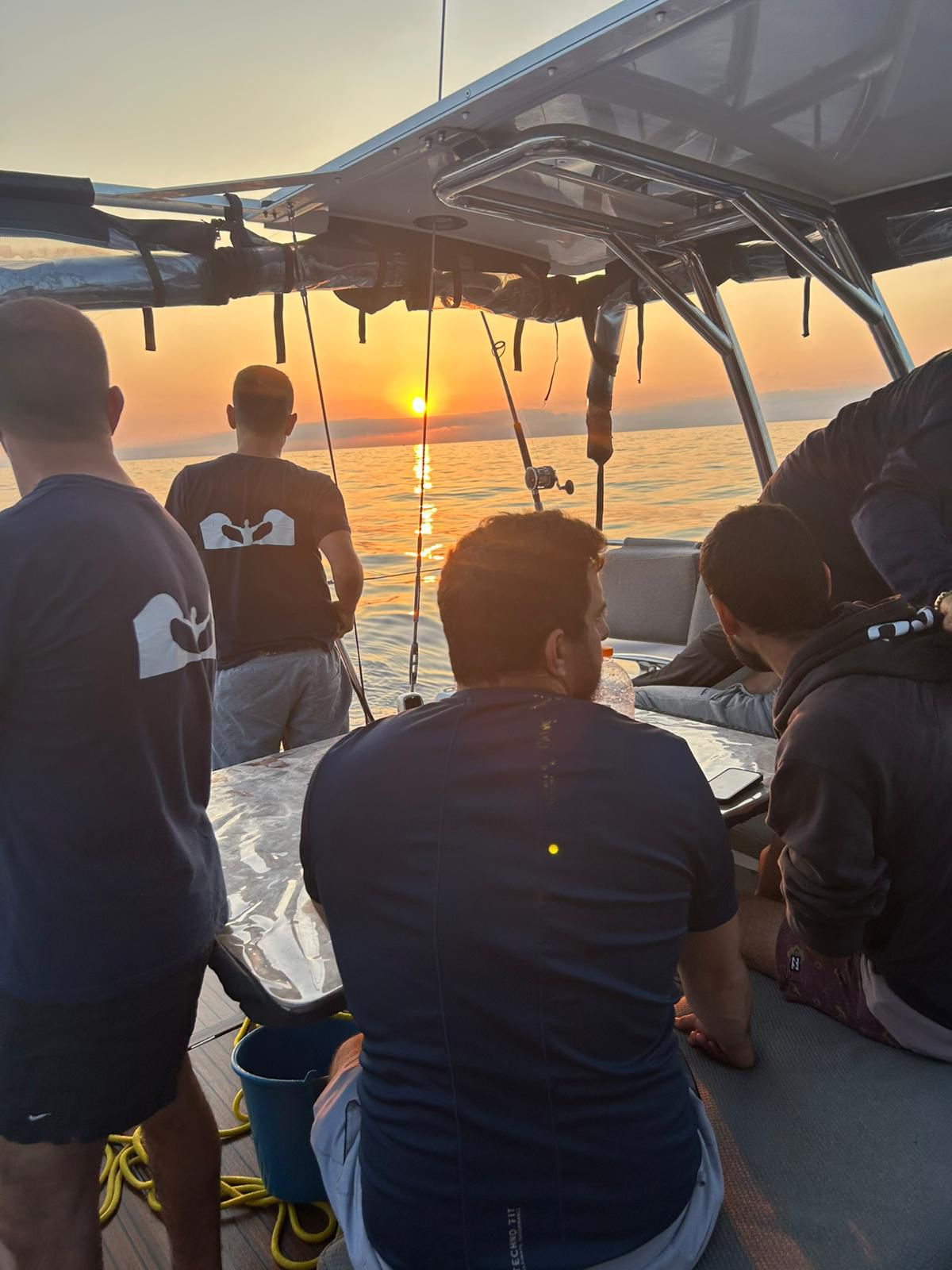
Every sail with participants injured in the Iron Swords War combines hands-on treatment with real work on the water.

Acupuncture while under way

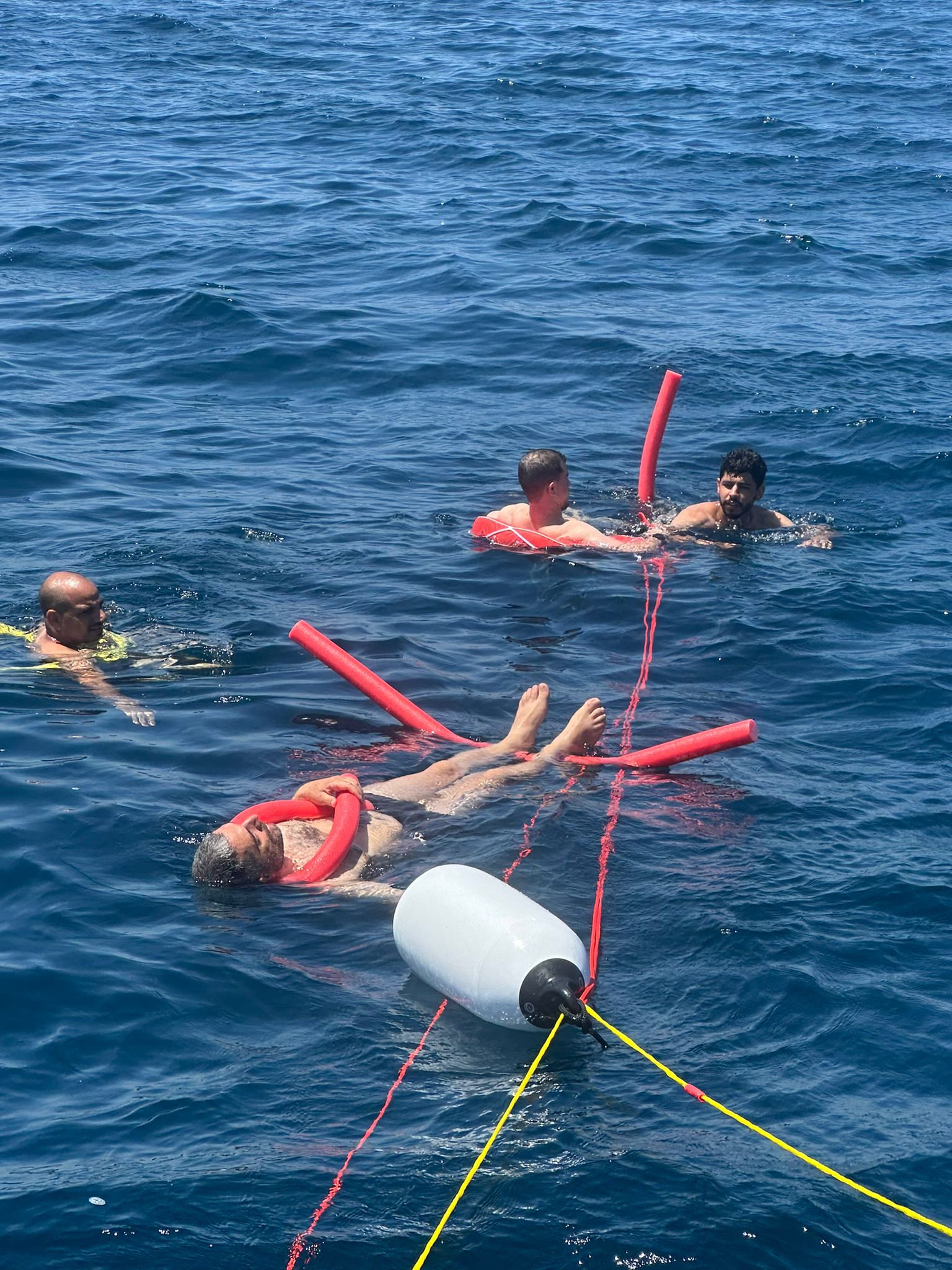
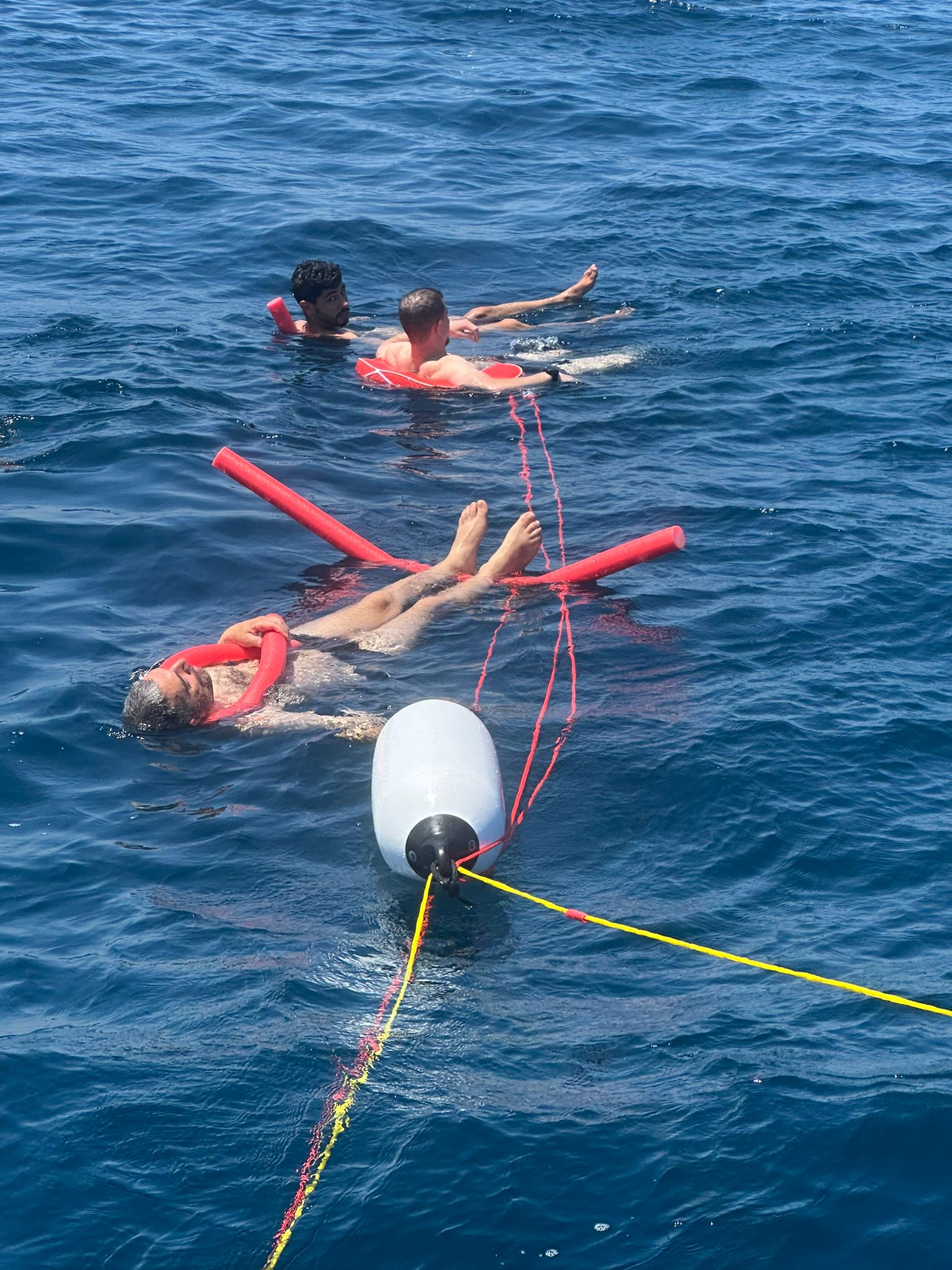
Hydrotherapy

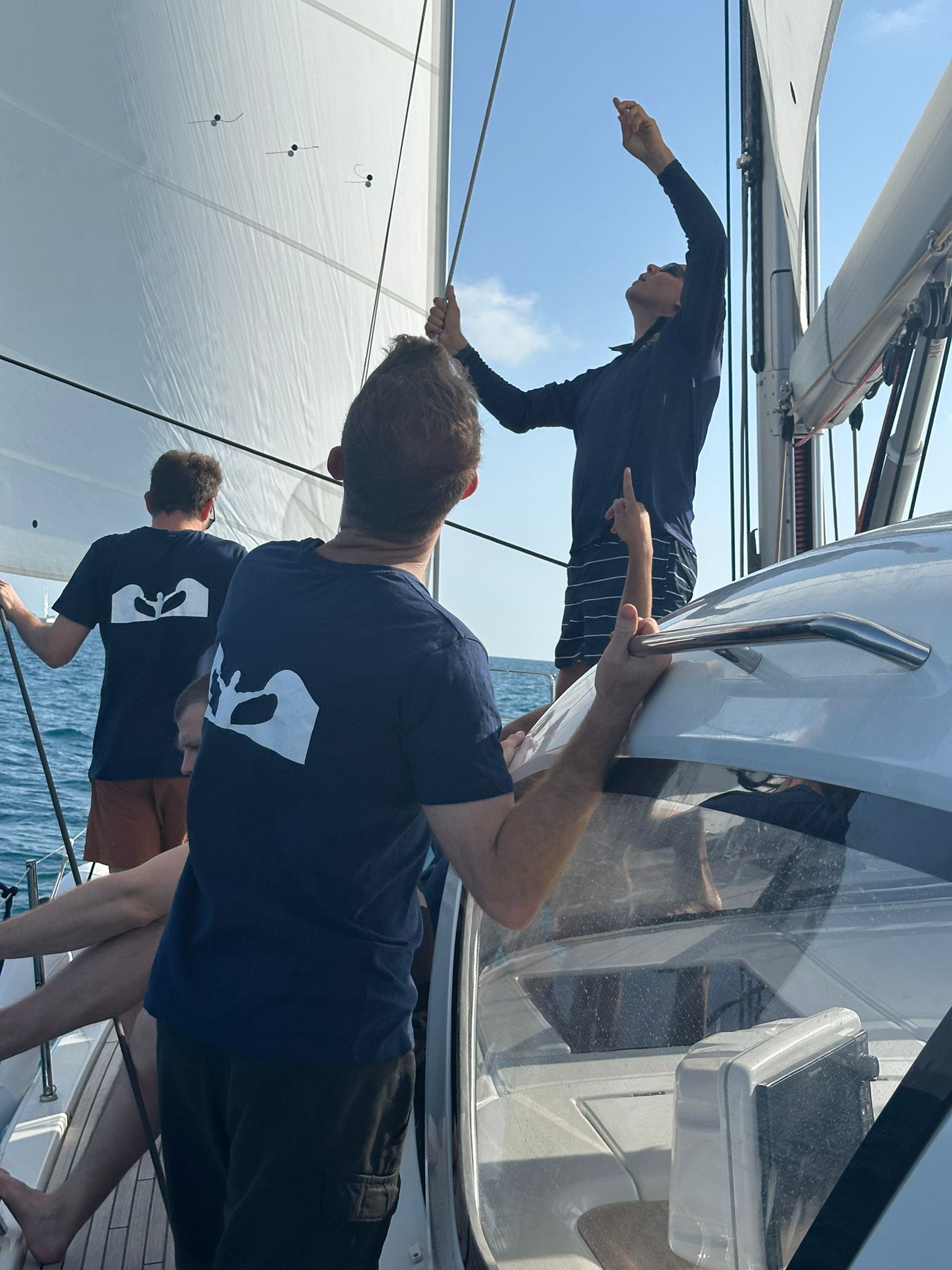
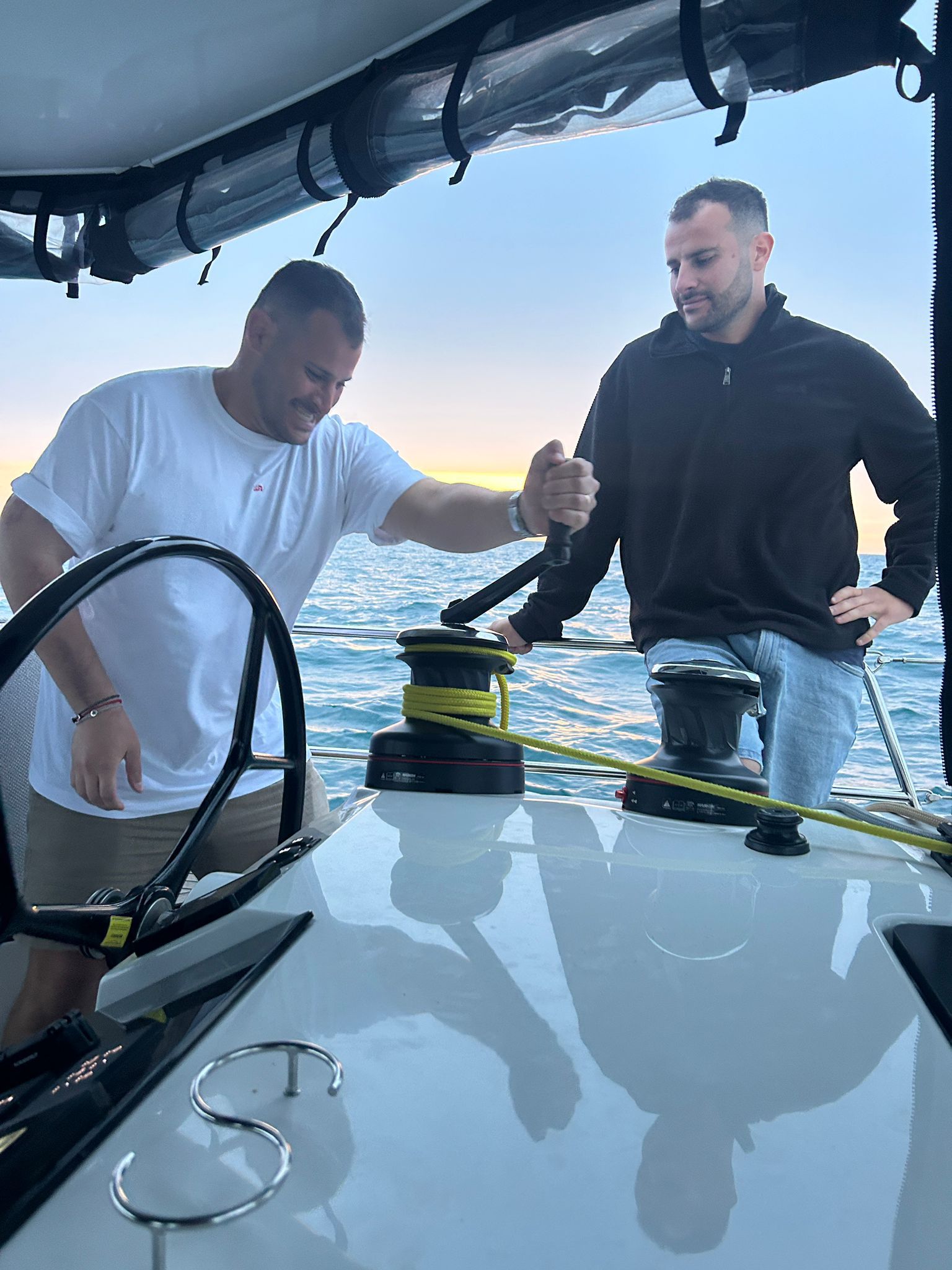
Sail handling and trimming

Sailing and seamanship skills

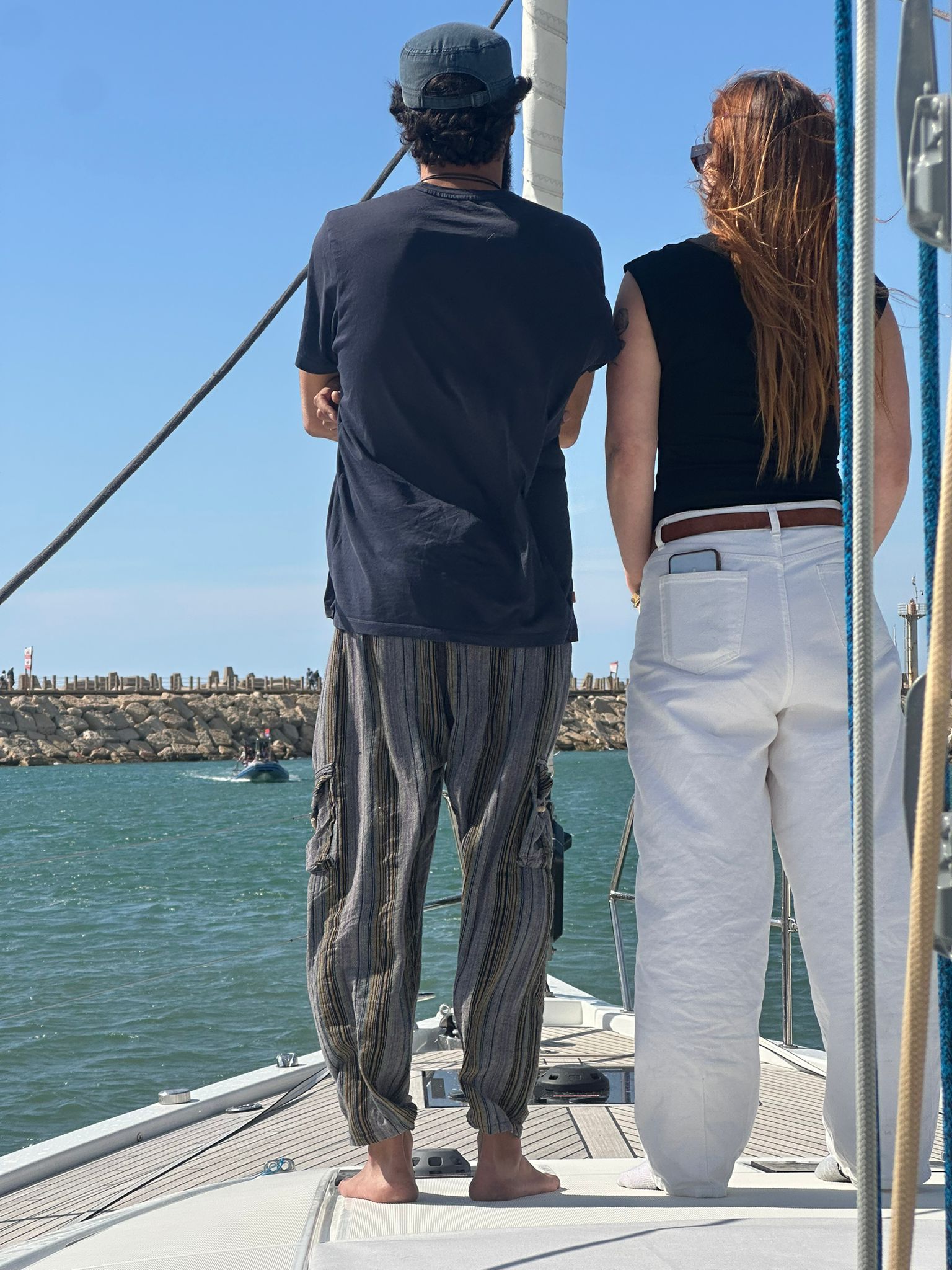
A combined crew of soldiers and Israel Police officers, injured both psychologically and physically, practising the handling of a large sailing boat. With no treatment room at all, out in nature, at sea and on a boat, we manage to bring them back to us.

“It’s all about the people.”

Uri Nadler is one of a hundred volunteer skippers who stepped forward to be there, to accompany and to support these participants over the two years ahead. In the first year the group goes out every week for half a day of activity; in the second, the skippers see them through to where they want to be.

After a year of activity, Nova survivors have reached full functioning and found real satisfaction in what they do. As one of them said this week: “The boat was the gym of life, and here I learned all over again how to work every muscle that living asks of you.” We at the association are deeply proud of what this activity achieves and of the recovery of those who come to us.

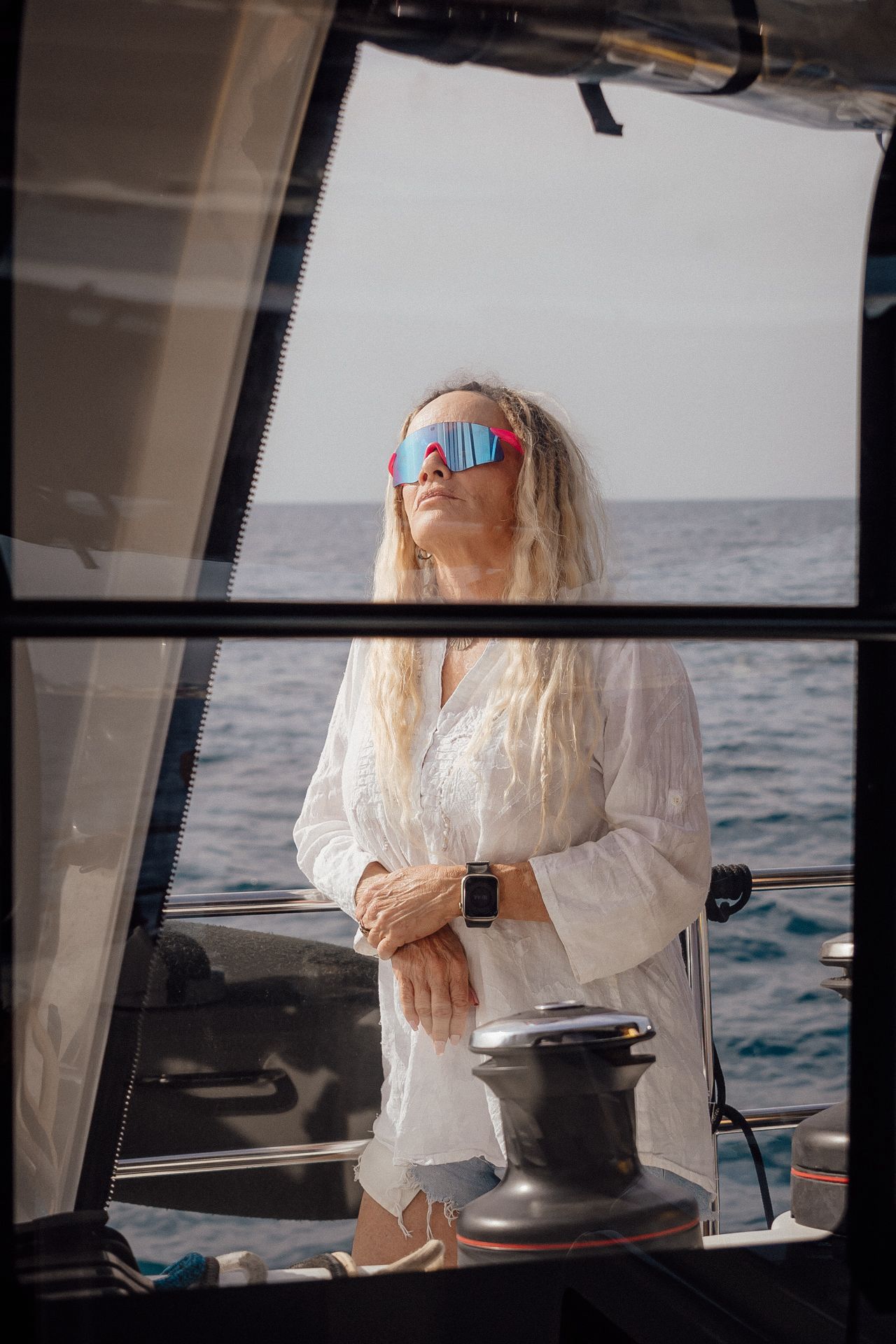
Ofri Reiner, Nova survivor.
Her brother was killed in the fighting at Nahal Oz.